


Protect your plants with technical and durable containers
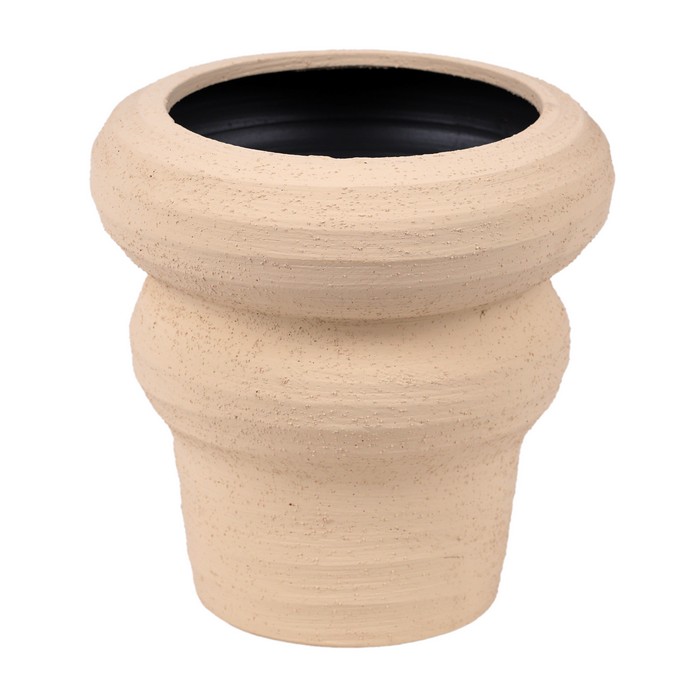
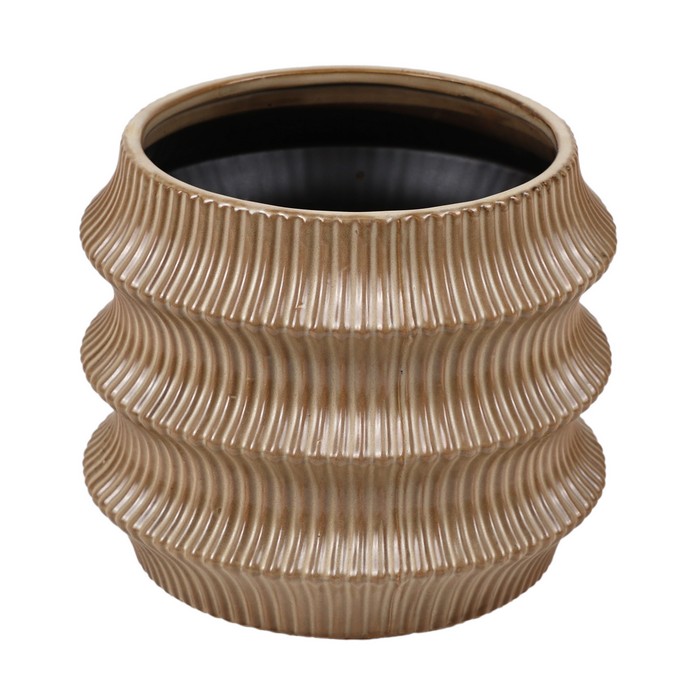
Plant roots require oxygenation and proper moisture management to prevent asphyxiation and the development of harmful fungi. An adequate container makes the difference between a wilting plant and one that thrives spectacularly. At Global Store, we offer a rigorous technical selection, from models with advanced self-watering systems for busy people, to porous ceramic variants that allow balanced evaporation of residual water. The correct space and the material of the container directly dictate the health of the root system.
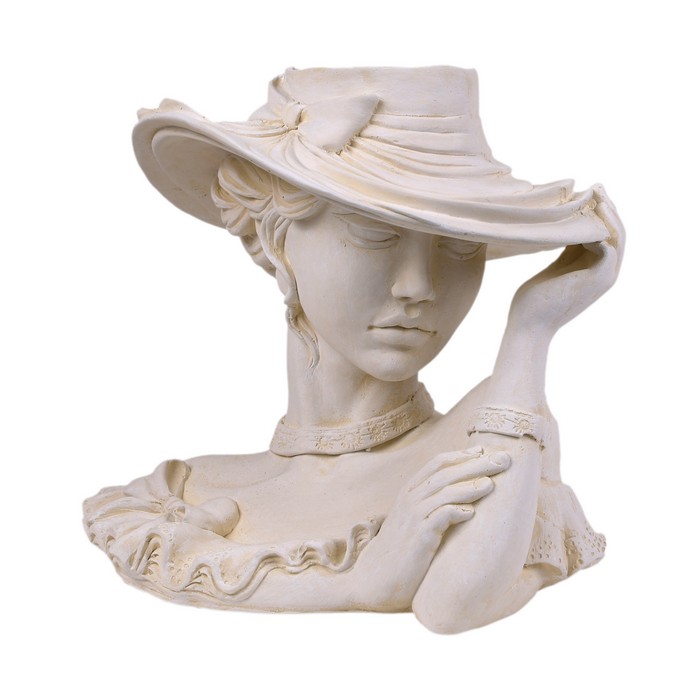
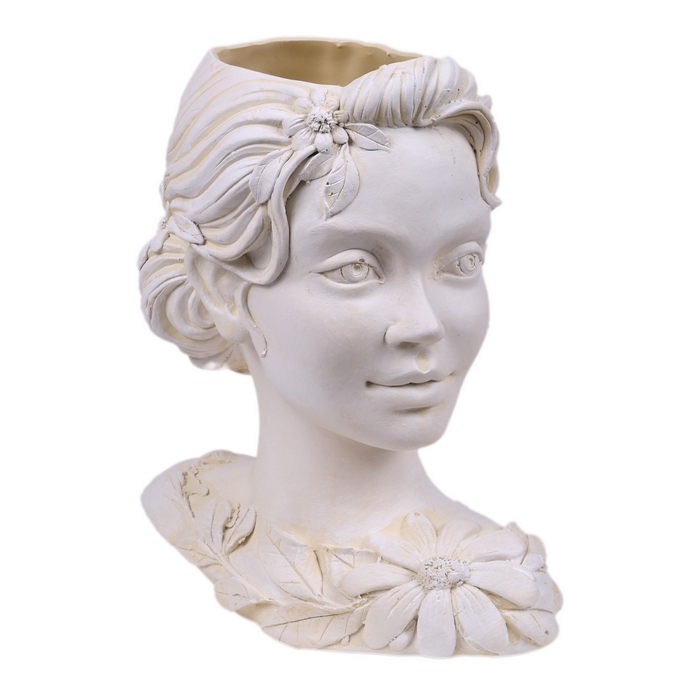
The choice of material directly influences soil thermoregulation. UV-treated plastic is mandatory for sunny balconies, preventing premature cracking of the container. On the other hand, heavy ceramic perfectly stabilizes tall indoor plants with a high center of gravity, eliminating the risk of accidental tipping. Every product in our catalog features clear drainage solutions to support the natural architecture of the plant and ensure efficient water drainage.
How to correctly choose the container depending on the plant
Never transfer a plant into an excessively large pot. The new home must have a diameter only 2-3 centimeters wider than the current root ball. Too much space retains water in uncolonized soil, causing plant asphyxiation.
| Material Type / Product | Essential Technical Features | Ideal Usage (Examples) |
|---|---|---|
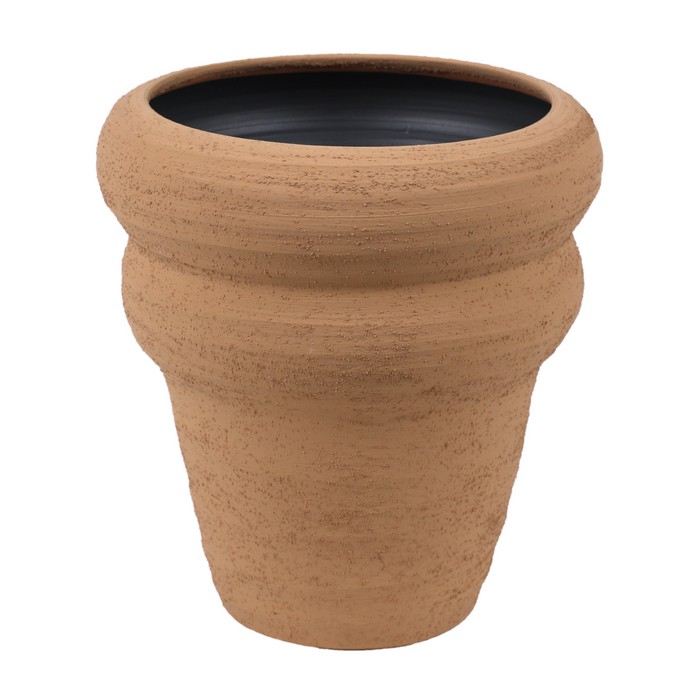
| Porous Ceramic (Terracotta) | Allows water evaporation and wall aeration | Cacti, succulents, plants sensitive to excess water. |
| Self-Watering Plastic | Lightweight, thermally insulating, integrated capillary reservoir | Ferns, office or apartment plants, infrequent watering. |
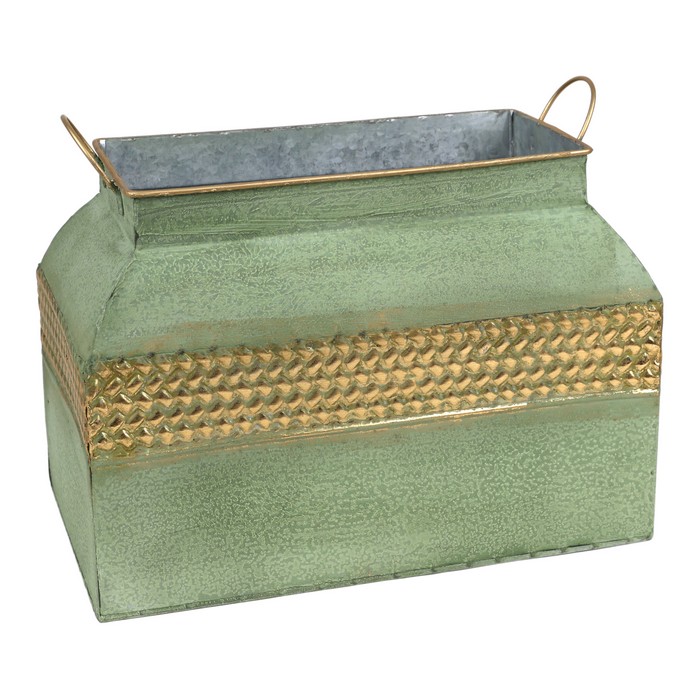
| Long Outdoor Planters | Increased resistance to freeze-thaw and solar radiation | Balcony landscaping, terraces, growing aromatic plants. |
Expert Advice: Frequently Asked Questions
Why is it absolutely necessary to have drainage holes?
The lack of drainage holes blocks oxygen and retains water at the bottom of the vessel. This turns the soil into an oxygen-deprived environment, inevitably leading to root rot. If using a closed decorative cover, the plant must be kept in its perforated technical plastic container, placed inside the cover.
When is the right time to change a plant's pot?
Transplanting is usually done at the beginning of spring. Clear signs of the need for space are: roots emerging massively through drainage holes, water passing instantly through the soil without being retained, or the plant completely halting growth due to lack of nutrients.
How exactly do containers with a self-watering system work?
These products have a hidden reservoir at the base. Plants absorb the necessary water through capillary action, using a textile wick or the direct contact of the soil with the water. The system eliminates the risk of overwatering and maintains constant moisture for several weeks.