


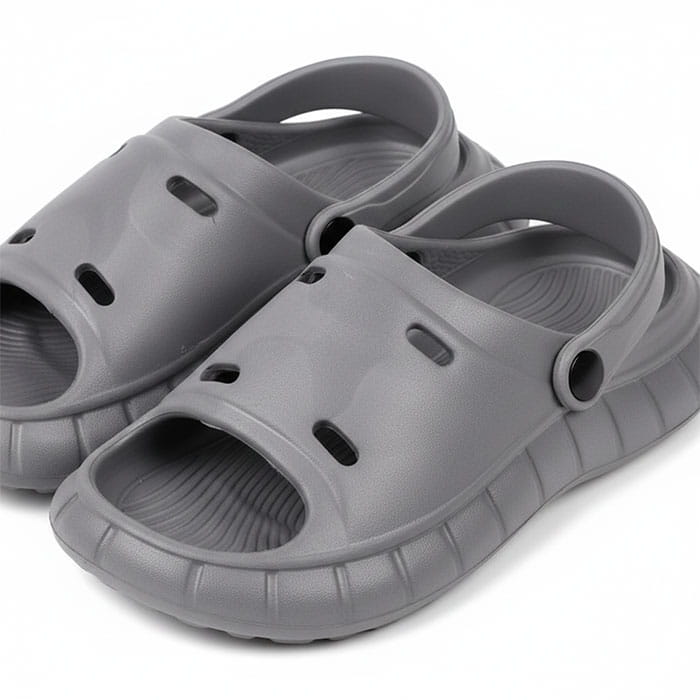
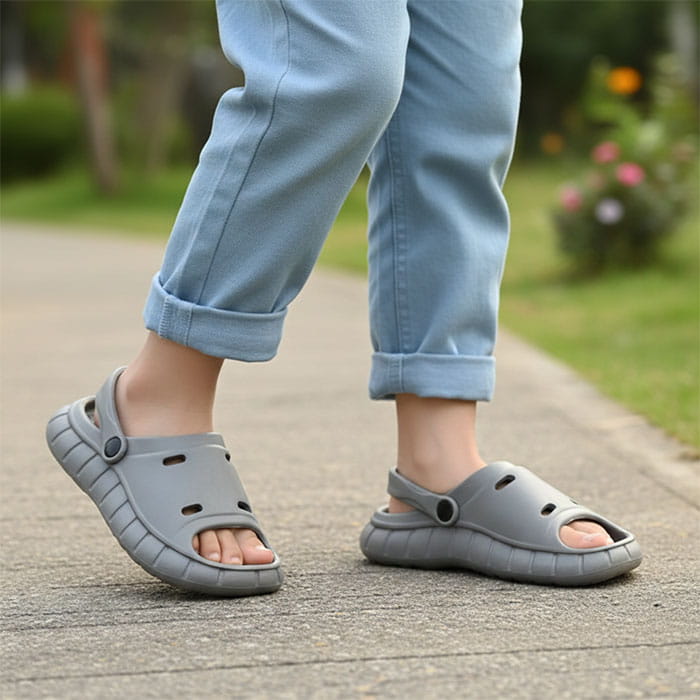

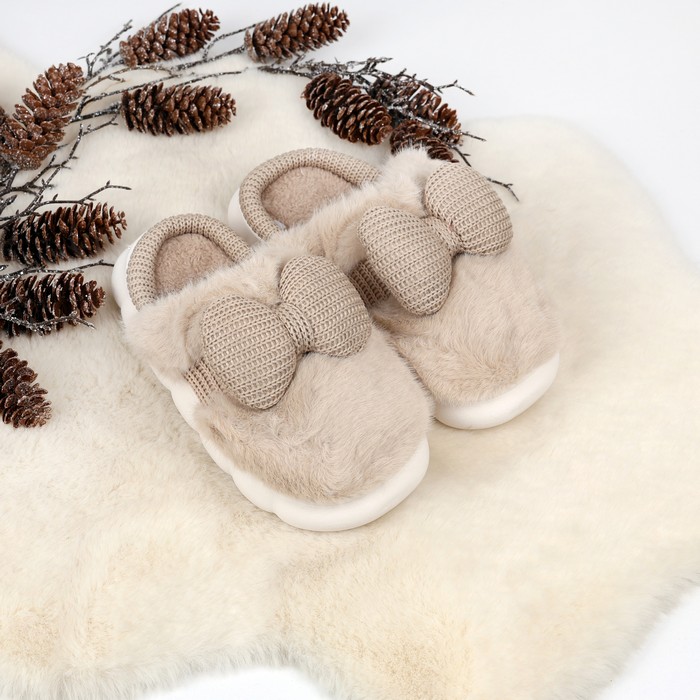

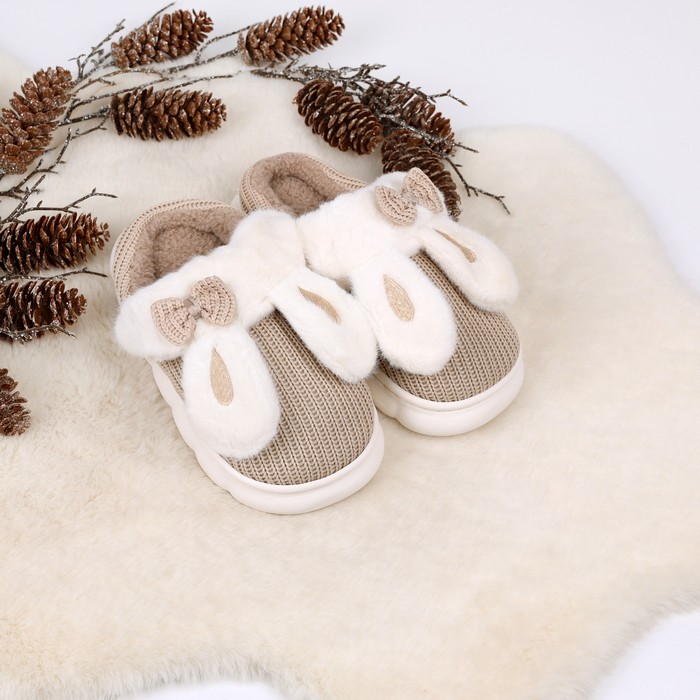


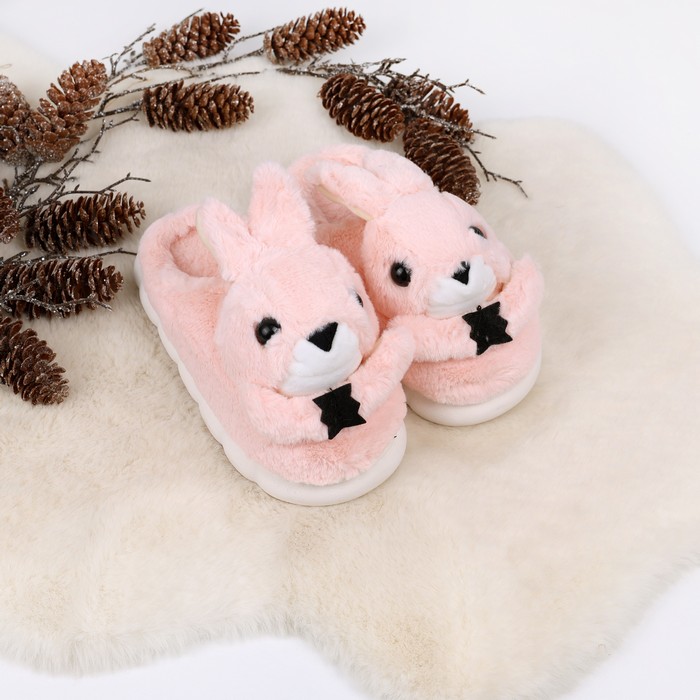
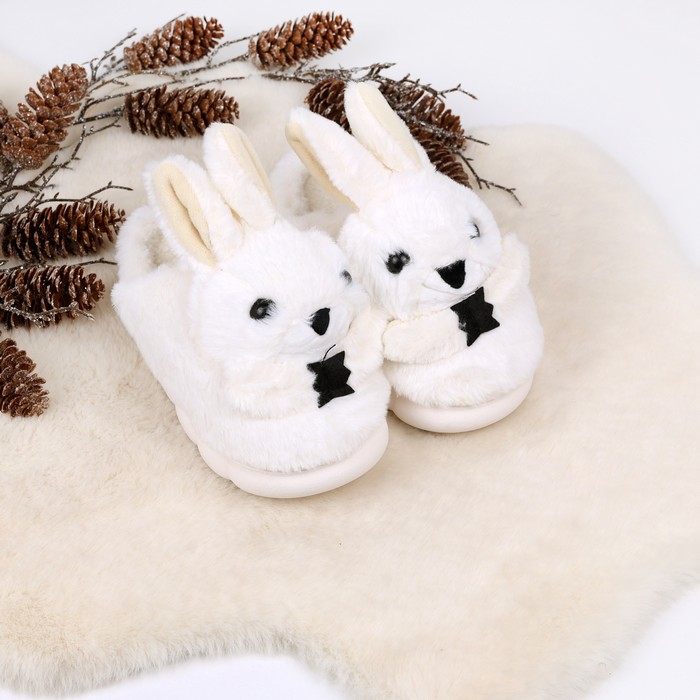
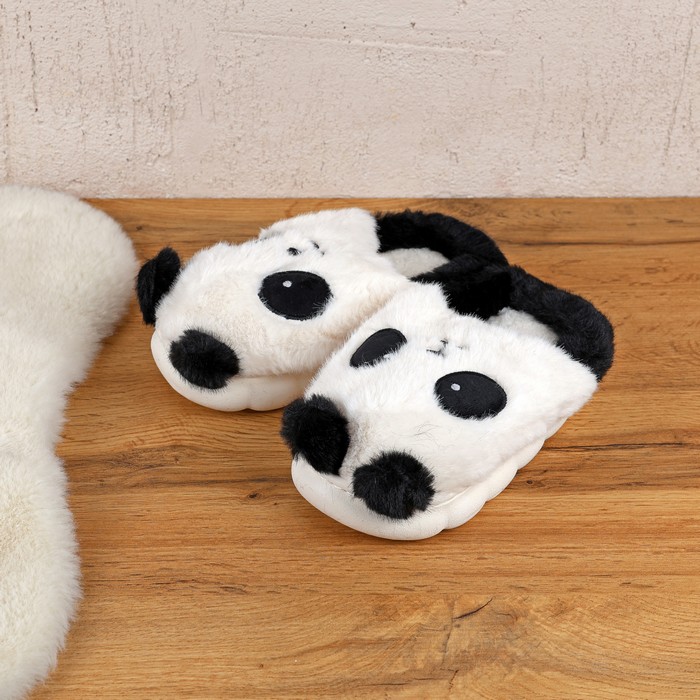
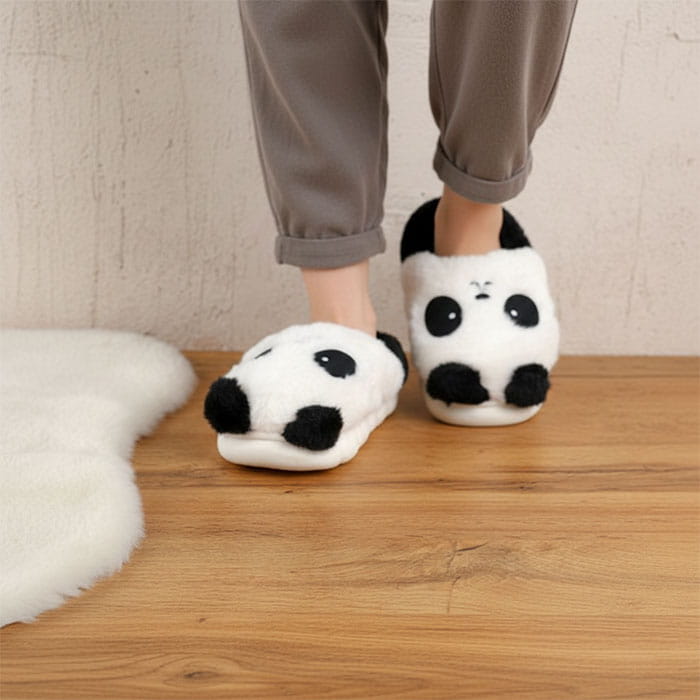
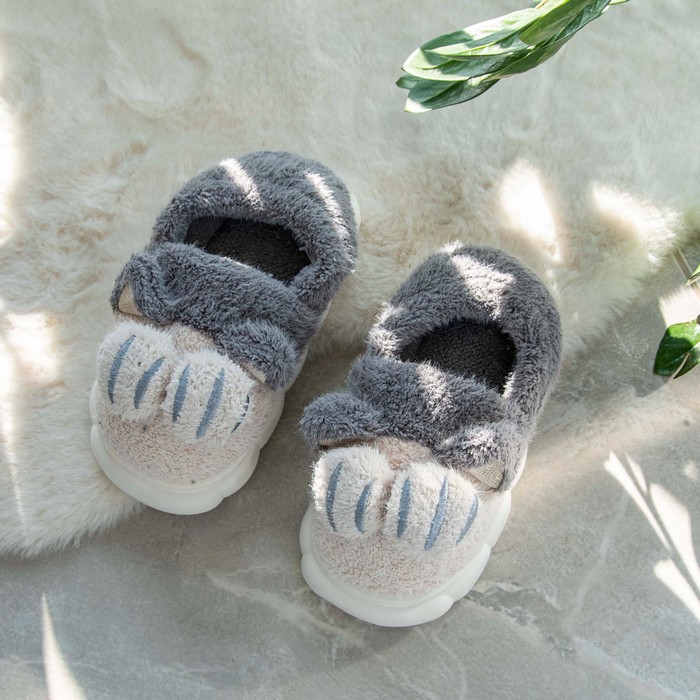
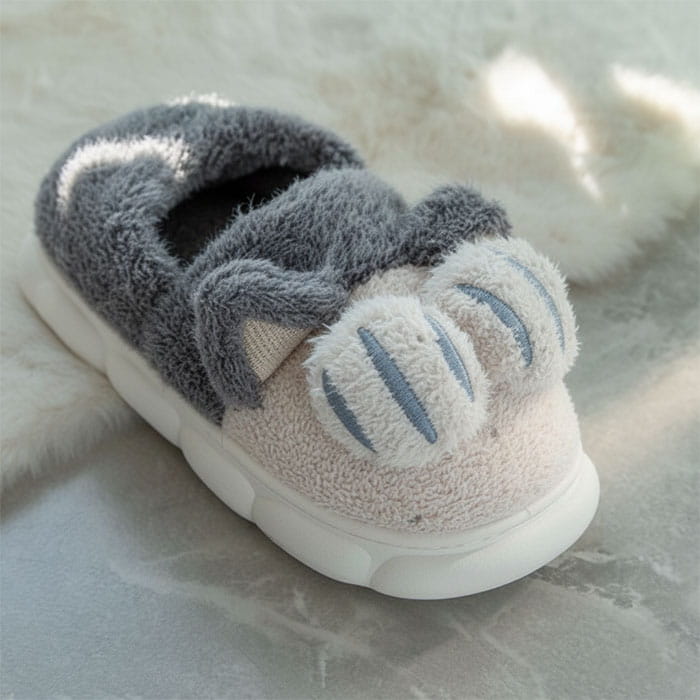
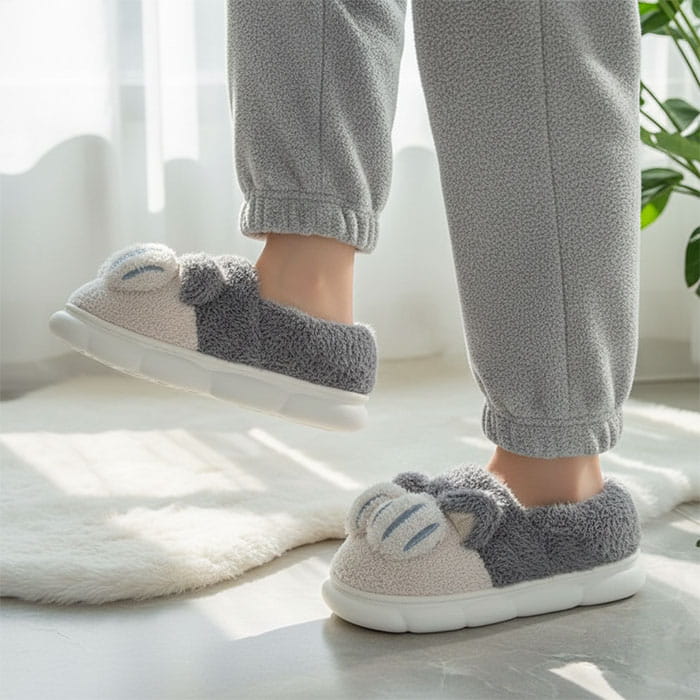
Healthy development and comfort for your child's steps
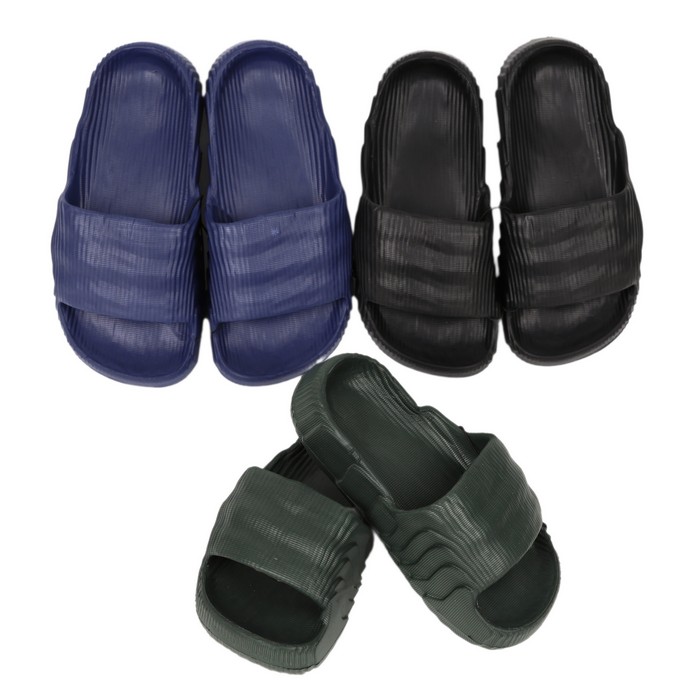
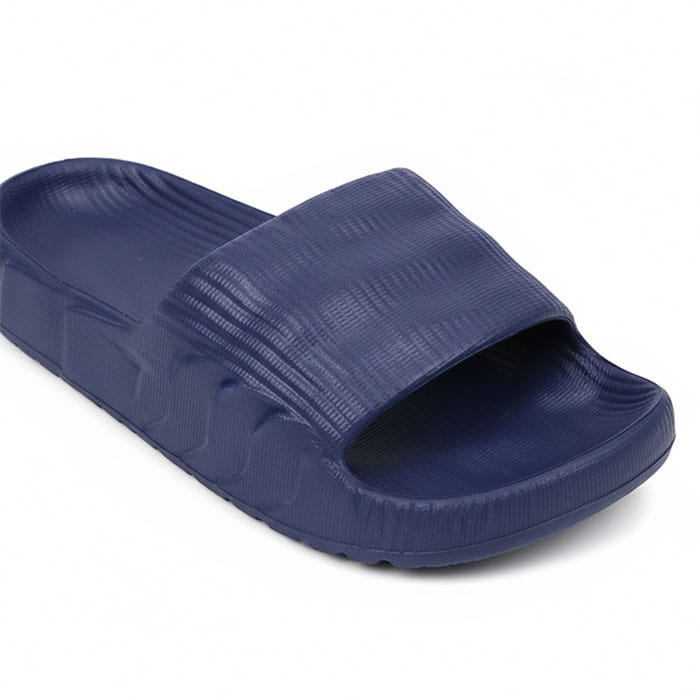
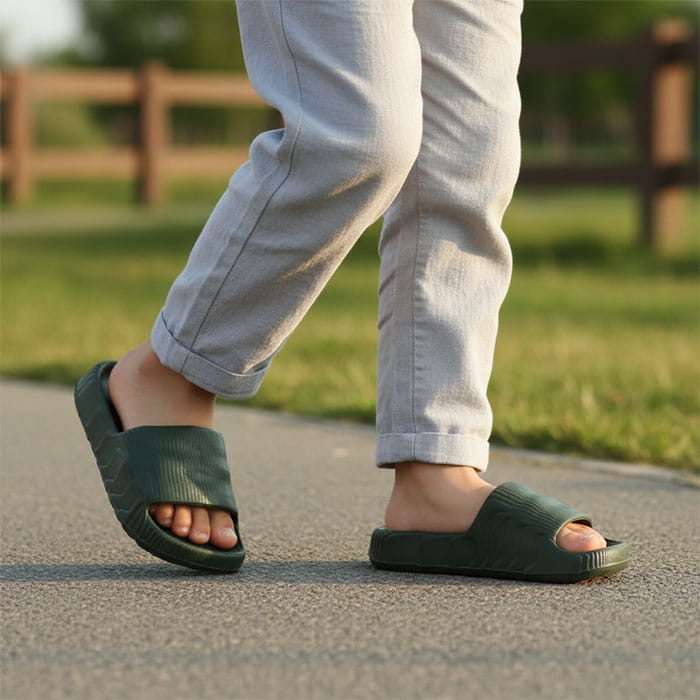
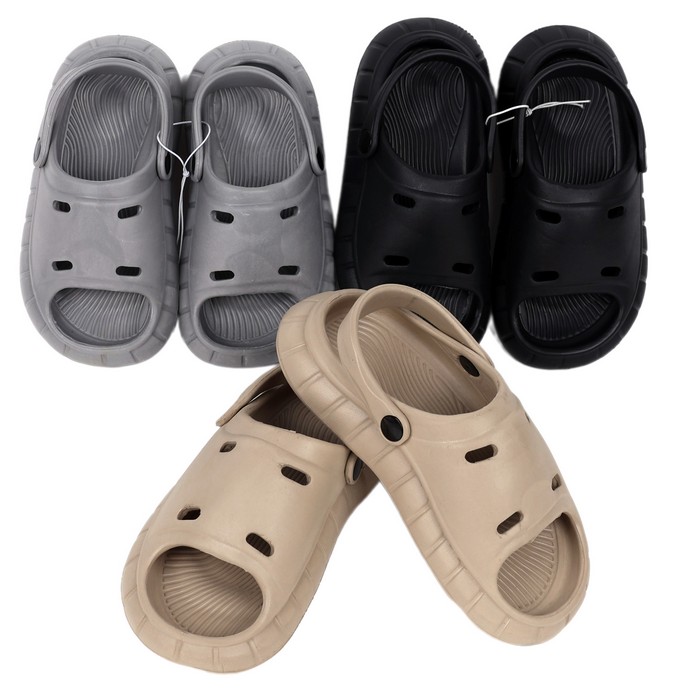
Children are constantly on the move, and improper footwear can irreversibly deform the developing plantar arch. Daily wear of rigid shoes causes discomfort and alters the child's center of gravity. At Global Store, we focus on ergonomics. We select models with soles made of polyurethane foam and thermoplastic rubber (TPR), which provide excellent shock absorption upon impact and offer the necessary flexibility exclusively in the toe flexion zone. Breathable upper materials prevent feet from overheating during physical education classes or while playing in the park.
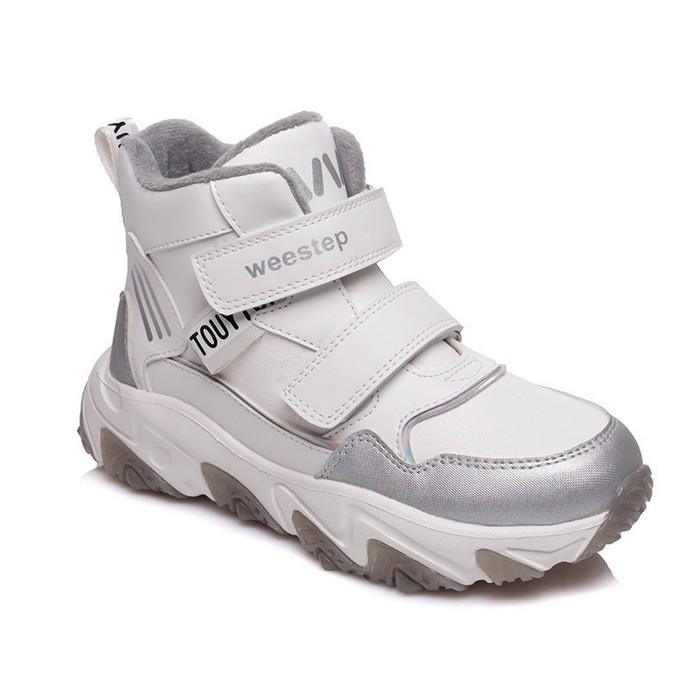
The fastening system is just as important as the sole structure. For preschoolers and early graders, Velcro straps are essential, giving them the independence to put their shoes on by themselves and guaranteeing a firm fit on the ankle, regardless of foot width. Whether you choose lightweight sneakers for dynamic spring days or thermally insulated boots for the cold season, every pair in our catalog meets anatomical safety standards, preventing slips through well-defined anti-slip treads.
How to choose the shoe type based on activity
Evaluating the weight of the shoe is crucial; heavy footwear prematurely fatigues the calf muscles. Ensure the chosen model matches the environment in which it will predominantly be used.
| Footwear Type | Essential Technical Features | Ideal Usage |
|---|---|---|
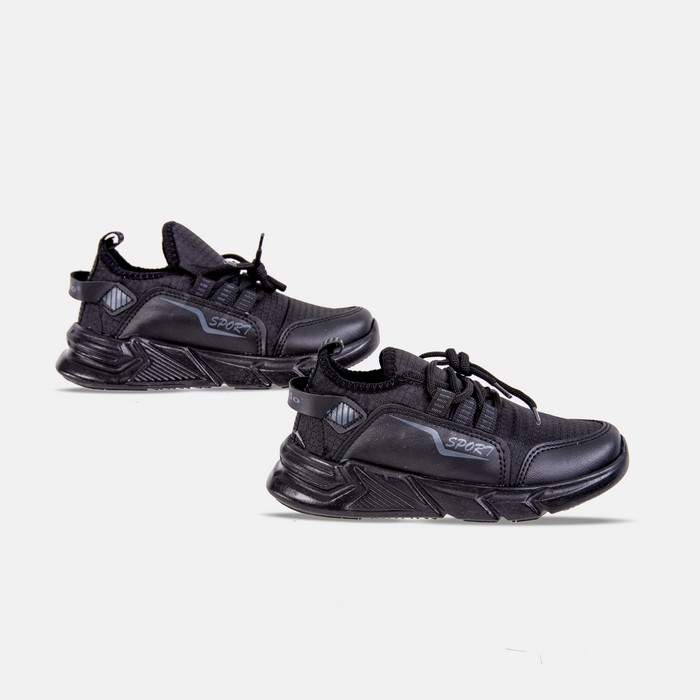
| Velcro Sport Sneakers | Flexible sole, breathable textile, lightweight | Physical education classes, outdoor play, daily school wear. |
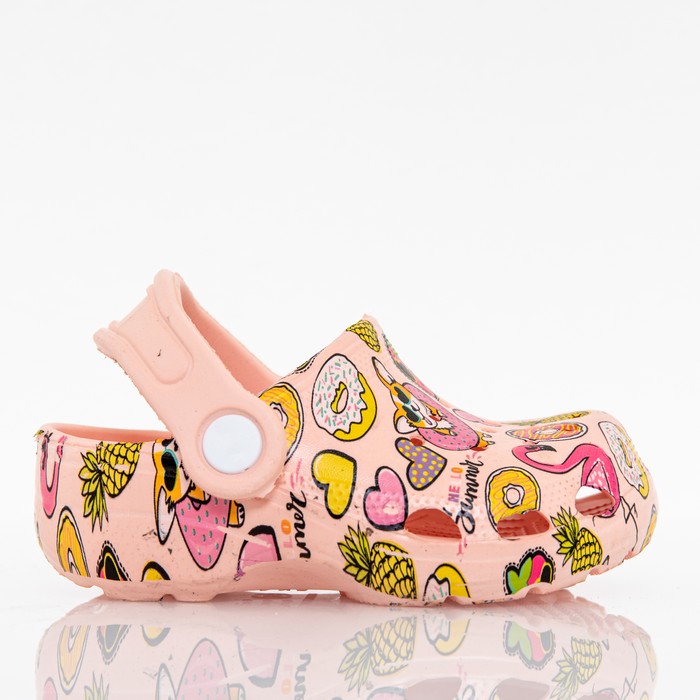
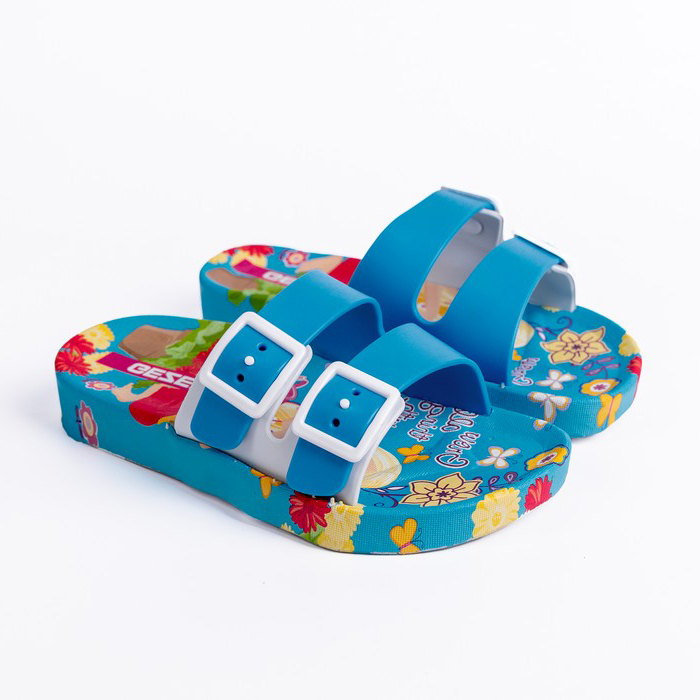
| Summer Sandals | Protected toe box, adjustable straps, anatomical insole | Hot days, walks, preventing excessive sweating. |
| Waterproof Boots | Hydrophobic outer material, thermal lining, grippy sole | Rainy days, snow, reliable protection against intense cold. |
Expert Advice: Frequently Asked Questions
How much free space should I leave in front of the toes?
Orthopedic rules recommend an extra space of about 0.5 - 1 cm between the longest toe and the tip of the shoe. The child's foot needs this space to naturally elongate while stepping, and this growth room prevents toe deformation.
How can I correctly measure my child's foot at home?
The most accurate method is tracing the foot on a sheet of paper. Measure the distance from the heel to the tip of the big toe. It is crucial to take this measurement in the evening, as feet can slightly swell during the day from exertion.
Is it safe for the younger sibling to wear older siblings' shoes?
It is not recommended by pediatricians. Even if the shoes look impeccable on the outside, the insole and inner sole have already molded to the footprint and walking pattern of the first wearer. This can force the younger sibling's foot into an unnatural posture.